
-
Your cart is empty!
Hardy
Buy hardy plant seeds – frost-resistant variety for your garden. With SAFLAX's carefully selected, robust seeds, you can create beds, borders, and containers that withstand cold and frost – for a beautiful garden all year round.
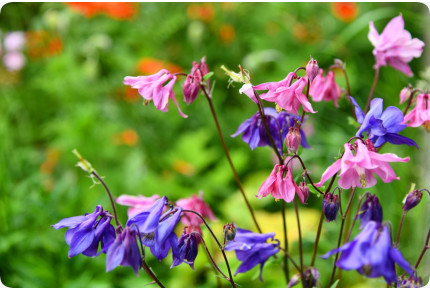


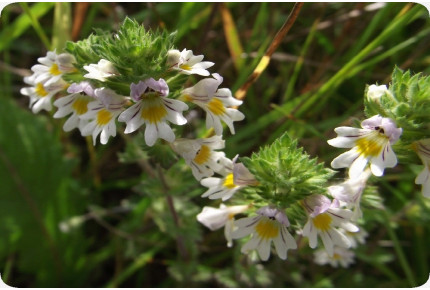
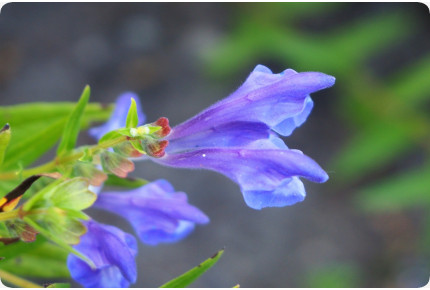

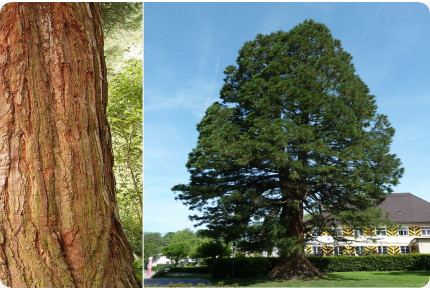


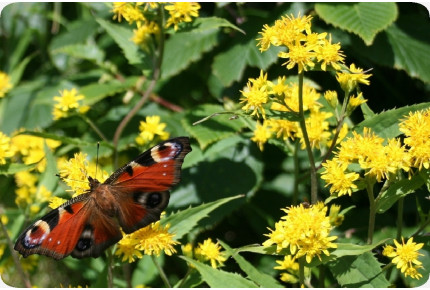
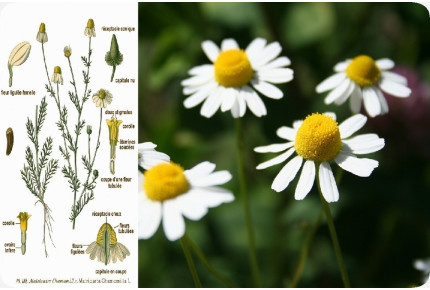
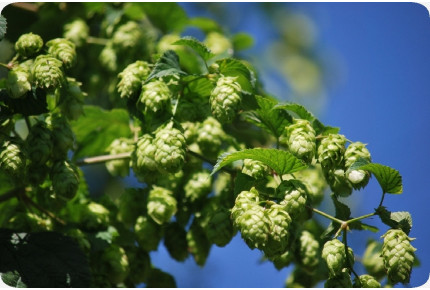

Hardy plant seeds – permanently beautiful, reliably robust
With hardy plant seeds, you can create a garden that reliably returns even after cold winters. In this category, you will find seeds from various plant groups – from perennial plants and robust ornamental grasses to frost-tolerant flowering shrubs – selected for the Central European climate.
Why choose hardy plants?
- Year-round garden character: Evergreen structures, attractive seed heads and early flowers add accents throughout the seasons.
- Fewer new plantings: Perennial, frost-resistant species reliably sprout again.
- Versatile locations: Suitable for flower beds, raised beds, borders, rock gardens and large containers.
Variety diversity for cold climates
Our selection includes frost-hardy perennials (e.g., coneflower/Echinacea, delphinium, columbine), ornamental grasses (e.g., fountain grass, blue fescue), flowering shrubs (e.g., butterfly bush as a seed alternative), and classic garden perennials for naturalistic areas. Combine sturdy varieties with seasonal bloomers for structure in winter and color in spring/summer.
Sowing & Care – How to Succeed
- Choose a location: Sunny to partially shaded, depending on the species. The soil should be well-draining; avoid waterlogging.
- Pay attention to sowing time: Many hardy species can be planted outdoors from spring onwards; cold-germinating seeds benefit from a cold period (stratification).
- Substrate & Depth: Fine-crumbly, nutrient-poor seed-starting mix; light-dependent germinators should only be pressed down, dark-dependent germinators should be lightly covered.
- Care: Keep evenly moist, fertilize moderately later; in autumn leave some dead shoots standing (winter protection & structure).
Tips for frost-resistant compositions
- Structure + Bloom: Combine grasses for winter silhouettes with flowering perennials.
- Staggered flowering: Mix early, summer and late bloomers so that something is in bloom for months.
- Suitable for containers: Use a sufficiently large container, a drainage layer, and winter protection for the pot.
SAFLAX – Selection, Quality, Instructions
As an experienced seed manufacturer, SAFLAX compiles hardy, frost-resistant varieties with a practical approach. Each variety comes with easy-to-understand cultivation and care instructions to ensure successful germination, establishment, and overwintering.
Buy hardy plant seeds at SAFLAX
Discover our frost-tolerant varieties now and create a garden that will thrive through the cold season. Whether you're planning a perennial border, a natural corner, or container planting – with winter-hardy plant seeds from SAFLAX, you'll lay the foundation for a consistently attractive garden.
Frequently asked questions about hardy plant seeds
What does "winter hardy" mean for plants?
Hardy species can survive typical Central European winters outdoors. Frost tolerance varies depending on the species; refer to the zone/temperature information.
When is the best time for sowing?
Many species are sown from spring onwards. Cold-stratified seeds require a period of cold before germination (e.g., sowing in autumn or stratification in the refrigerator).
Which locations are suitable?
Mostly sunny to partially shaded, with well-drained soil. In heavy soils, create drainage to prevent waterlogging in winter.
Can I grow hardy species in pots?
Yes, with sufficiently large containers, a drainage layer and winter protection (wrap the pot, use feet, place in a sheltered spot).
How do I care for hardy perennials throughout the year?
Once established, often easy to care for: Prune in spring, divide and replant if necessary; leave faded stems partly standing in winter.
Are there cold-germinating plants – and what does that mean?
Yes. Cold-stratified seeds require low temperatures for several weeks to induce germination. This can occur naturally in winter or artificially through stratification.