
-
Your cart is empty!
Organic sprouts
Buy organic sprouts – fresh, aromatic, and easy to grow yourself. Our organic sprout seeds bring natural variety to your kitchen: crisp to the bite, diverse in flavor, and easy to grow – directly from certified organic farming.

Showing 1 to 9 of 9 (1 page)
Organic sprouts – fresh variety from our own cultivation
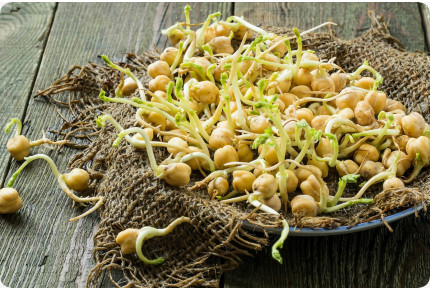
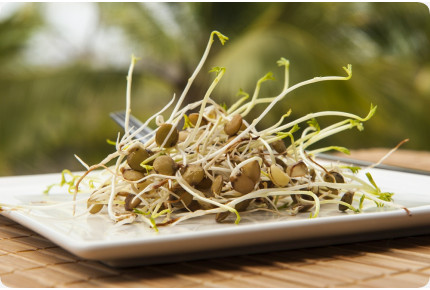
Organic sprouts are young, freshly germinated plants that you can grow yourself from high-quality seeds. They are characterized by a crisp bite, delicate flavors, and a wide variety of types. Whether for salads, sandwiches, bowls, or hot dishes – sprouts bring color, texture, and variety to your plate.
Quality from controlled organic farming
- Certified organic seeds – grown without genetic engineering or synthetic pesticides.
- Freshly bottled – small batches for high germination rates.
- A wide variety of types – from mild, nutty alfalfa to spicy radish and aromatic broccoli.
- Sustainable packaging – resource-saving and environmentally friendly.
Easy home cultivation – here's how
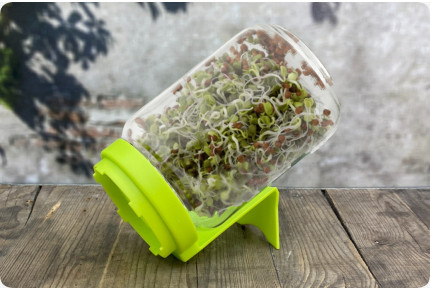
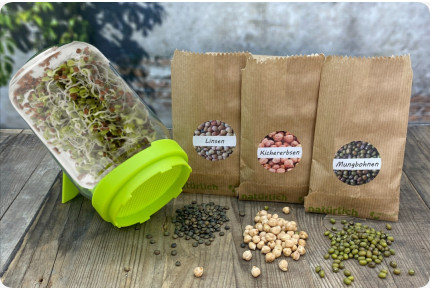
Sprouts can be grown all year round – even without a garden. All you need is a clean sprouting jar or tray, fresh water, and a little patience
- Soaking: Place seeds in a sprouting jar, cover with water and let them soak overnight.
- Rinsing: Drain the water, rinse the seeds with fresh water 2-3 times a day.
- Allow to drain: Tilt the glass so that excess water can drain away.
- Harvesting: After 2–5 days – depending on the variety – the sprouts are ready to eat.
Discover the diversity of varieties
Our product range includes a wide selection of organic sprouting seeds, including:
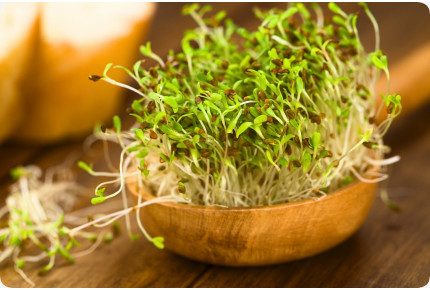
- Alfalfa: mild and nutty, universally applicable.
- Broccoli: spicy and aromatic, a popular all-rounder in the kitchen.
- Radishes: slightly spicy, adds flavor to salads.
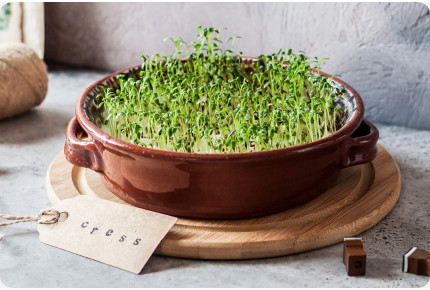
- Cress: classic, intense flavor.
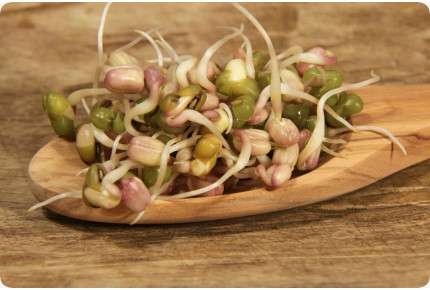
- Mung beans: mild and crunchy, perfect for Asian dishes.
- Sprout mix: a diverse blend of different flavors.
Taste & combination ideas
Depending on the variety, sprouts go well with different dishes. Mild alfalfa complements fresh salads, broccoli sprouts harmonize with bowls and vegetable dishes, radish sprouts add a tangy touch to sandwiches, and mung bean sprouts are a classic in stir-fries.
Use in the kitchen
Sprouts are versatile: they are suitable as a topping for salads and soups, as an ingredient in wraps and bowls, or as a fresh side dish to warm meals. They also add a fresh crunch and visual interest to smoothies or as a garnish on sandwiches.
Storage & Shelf Life
Freshly harvested sprouts should be eaten as soon as possible. In a sealed but breathable container, they will stay fresh in the refrigerator for 2 to 3 days. Longer storage or freezing is not recommended, as this will negatively affect their texture.
Season-independent & space-saving
Unlike many vegetables, sprouts can be grown all year round – regardless of weather or season. They require little space, making them ideal for city apartments and small kitchens.
Order organic sprouts from SAFLAX
With SAFLAX, you receive high-quality organic seeds directly from an experienced seed producer. Our selection includes tried-and-tested classics and exciting mixes. Every delivery contains clear growing instructions to ensure a successful start to sprouting – uncomplicated and with the joy of growing your own.
Frequently asked questions about organic sprouts
1. How long does it take for sprouts to be ready to eat?
Depending on the variety, between 2 and 5 days.
2. Do I need any special equipment for growing the seeds?
A sprouting jar or tray makes cultivation easier, but is not absolutely necessary.
3. How often should I rinse sprouts?
Rinse with fresh water at least twice a day to ensure optimal freshness.
4. Can I eat organic sprouts raw?
Yes, if grown hygienically and in fresh water, they are suitable for raw consumption. For sensitive individuals, brief heating is recommended.
5. Can sprouts be frozen?
Freezing is not recommended, as the consistency changes drastically.
6. Are sprouts also suitable for children?
Yes, with careful cultivation and thorough rinsing, they can also be used in the family kitchen.
7. Which variety is suitable for beginners?
Alfalfa, cress and mung beans are considered particularly easy and foolproof to grow.